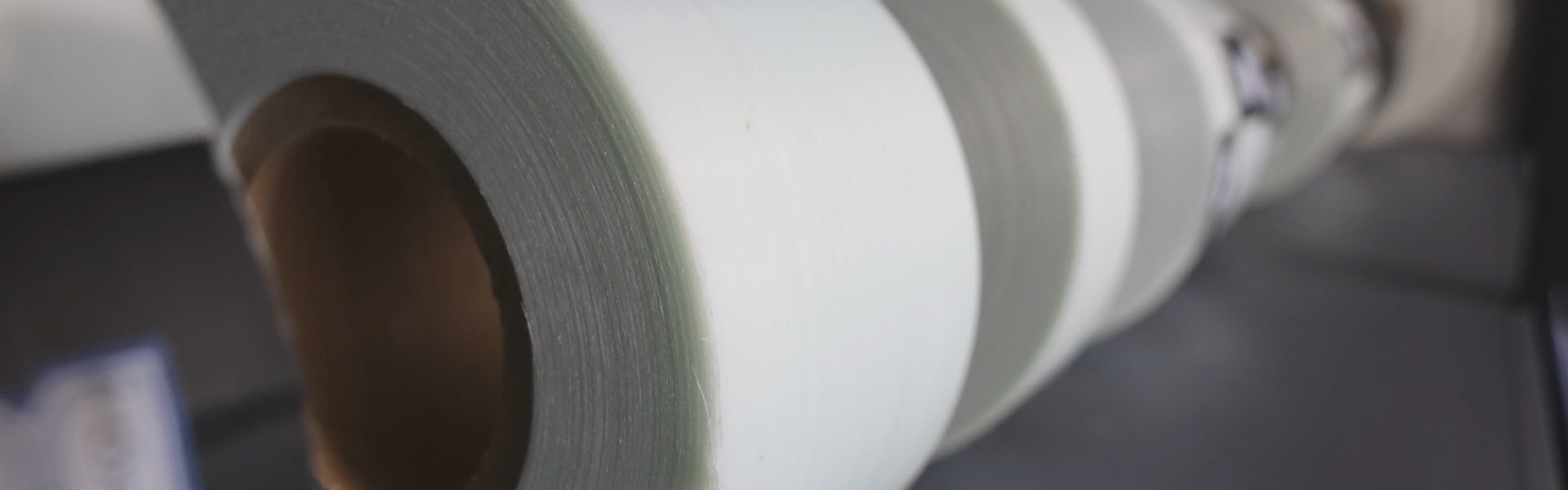
Study on the High Strength and Durability Applications of CFRT Prepreg Unidirectional Tape in Building and Prefabricated Structures
Release time:
2026-01-23
Author:
Source:
1. Introduction
With the modern construction industry moving toward high-rise development, prefabrication, and green low-carbonization, higher performance requirements have been put forward for structural materials. Traditional reinforced concrete and metal structures are widely used in high-rise buildings, bridges, and prefabricated buildings, but their inherent drawbacks such as heavy weight, long construction cycles, and limited corrosion resistance have become increasingly prominent. Against this backdrop, Continuous Fiber-Reinforced Thermoplastic (CFRT) prepreg unidirectional tapes, featuring high specific strength, high specific stiffness, corrosion resistance, and excellent processability, have gradually emerged as a preferred material in the field of construction and prefabricated structures.
CFRT materials not only meet structural load-bearing requirements, but also significantly reduce structural self-weight, shorten construction periods, enhance durability, and cut maintenance costs. Based on the actual needs of building structures and prefabricated design, this paper systematically analyzes the technical advantages, engineering application logic, manufacturing processes, and future development trends of CFRT prepreg unidirectional tapes.
2. Performance Requirements of Construction and Prefabricated Structures
Modern buildings, especially high-rise and prefabricated buildings, impose comprehensive performance requirements on materials. First and foremost is high strength and high stiffness, to ensure structural stability under wind loads, earthquakes, and variable load conditions. Second is durability—building structures need to resist the impact of environmental factors such as moisture, temperature changes, ultraviolet radiation, and air pollution on material performance during long-term service. In addition, construction efficiency, material processability, and assembly convenience are also important considerations for prefabricated buildings.
In the traditional material system, steel has high strength but is susceptible to corrosion; concrete structures are heavy and require long construction cycles. In prefabricated buildings, these problems will further affect construction efficiency and overall economic efficiency. Therefore, finding a new material system that balances high performance and assembly convenience has become an industry demand.
3. Material Characteristics and Structural Advantages of CFRT Prepreg Unidirectional Tapes
CFRT prepreg unidirectional tapes are composed of continuous fibers and a thermoplastic resin matrix. Continuous fibers endow the material with high specific strength and high specific stiffness, enabling it to meet load-bearing and stiffness requirements at low weight; the thermoplastic matrix provides the material with toughness, impact resistance, and environmental durability. The designability of the material allows engineers to precisely arrange fibers according to the stress direction of building structures, achieving directional enhancement of mechanical properties.
In prefabricated structures, the modular processability of CFRT is particularly important. Prepreg unidirectional tapes can be used to prepare structural modules through hot pressing or continuous tape laying, allowing structural components to be mostly processed in factories. On-site installation only requires rapid assembly, thereby shortening the construction period and reducing the complexity of on-site operations.
4. High-Strength Structural Design and CFRT Application Logic
In building structures, components such as beams, columns, floor slabs, and walls all need to have high load-bearing capacity. Through multi-layer laying and fiber direction optimization, CFRT prepreg unidirectional tapes can provide balanced mechanical properties under longitudinal tension and transverse compression conditions. For prefabricated buildings, modular design can combine multiple CFRT structural panels to form an integrated load-bearing system, which not only meets strength requirements but also reduces self-weight.
In addition, the continuous fiber characteristics of CFRT enable local stress concentration areas to achieve performance optimization through local reinforcement layup, thus ensuring safety redundancy while maintaining overall structural lightweight.
5. Durability and Environmental Adaptability
Building structures are exposed to the environment for a long time and need to have good tolerance to humidity, temperature, ultraviolet radiation, and chemical corrosion. The thermoplastic matrix of CFRT materials has excellent hydrolysis resistance and chemical corrosion resistance, and continuous fibers are not affected by the environment. This means that the performance of CFRT structures decays slowly during long-term service, with low maintenance requirements, making them particularly suitable for high-rise buildings and prefabricated buildings in coastal areas.
The durability of the material also reduces maintenance interventions during the service life of the building, improving overall economic efficiency and sustainability.
6. Guarantee Role of Manufacturing Processes for Prefabricated Structures
In construction applications, CFRT prepreg unidirectional tapes are usually prepared through automated tape laying and hot pressing molding processes. Automated tape laying can precisely control fiber tension, laying direction, and number of layers, ensuring consistent structural performance. Hot pressing molding technology can form high-density structural panels, improving load-bearing capacity and fatigue resistance.
The modular assembly method allows most processing of CFRT structural components to be completed in factories, with only on-site assembly required, thereby reducing construction difficulty, shortening the construction period, and ensuring stable assembly quality.
7. Typical Application Scenarios in Prefabricated Buildings
CFRT prepreg unidirectional tapes can be applied to various building components such as floor slabs, wall panels, beams and columns, roof panels, and curtain walls. In floor slabs, CFRT materials can reduce self-weight, improve span capacity, and optimize load-bearing capacity through multi-layer laying. In wall panel and curtain wall structures, CFRT not only provides necessary stiffness and strength but also has good corrosion resistance and sound insulation effects.
In prefabricated buildings, through standardized design and modular production, CFRT structural components can be quickly assembled into integral buildings, improving construction efficiency and reducing noise, dust, and energy consumption at construction sites.
8. Fatigue Performance and Long-Term Reliability Analysis
Although building structures mainly bear static loads, local components will bear cyclic stress under earthquakes, wind loads, and vibrations. The continuous fiber structure of CFRT prepreg unidirectional tapes effectively disperses stress concentration and absorbs local energy through the toughness of the thermoplastic matrix, thereby delaying crack initiation and propagation.
This progressive failure mode enables building structures to maintain stable performance during long-term use and provides operable space for maintenance and repair.
9. Construction and Economic Benefits Brought by Lightweight Design
The direct advantages of structural weight reduction are convenient construction and high assembly efficiency. In high-rise buildings, CFRT lightweight structures can reduce lifting difficulty and decrease the frequency of mechanical equipment use and energy consumption. In terms of overall economic efficiency, weight reduction also means lower load on the foundation structure, which can reduce foundation and substructure investment.
Lightweight structures also have a positive effect on building sustainability, achieving low-carbon building goals by reducing material consumption and construction energy consumption.
10. Technical Challenges and Development Directions
The promotion of CFRT in construction and prefabricated structures still faces challenges such as design specifications, material costs, and construction standardization. These issues can be gradually resolved by establishing a sound design and certification system, optimizing the material supply chain and process flow.
Future development directions include multi-functional integrated design, integrating load-bearing, thermal insulation, fire prevention, and sound insulation functions into a single structural panel. At the same time, combined with digital design and intelligent manufacturing, high performance, low maintenance, and sustainable development of building structures will be realized.
11. Conclusion
CFRT prepreg unidirectional tapes provide an advanced material solution for construction and prefabricated structures that balances high strength, durability, and lightweight design. Through the efficient load-bearing capacity of continuous fibers and the environmental adaptability of the thermoplastic matrix, CFRT can significantly improve structural performance, construction efficiency, and economic efficiency in the modern building system. With the maturity of design standards and process technologies, the application prospects of CFRT in the construction field will be further broadened, providing a reliable material foundation for future green, efficient, and intelligent buildings.
Key words:
Recommended News