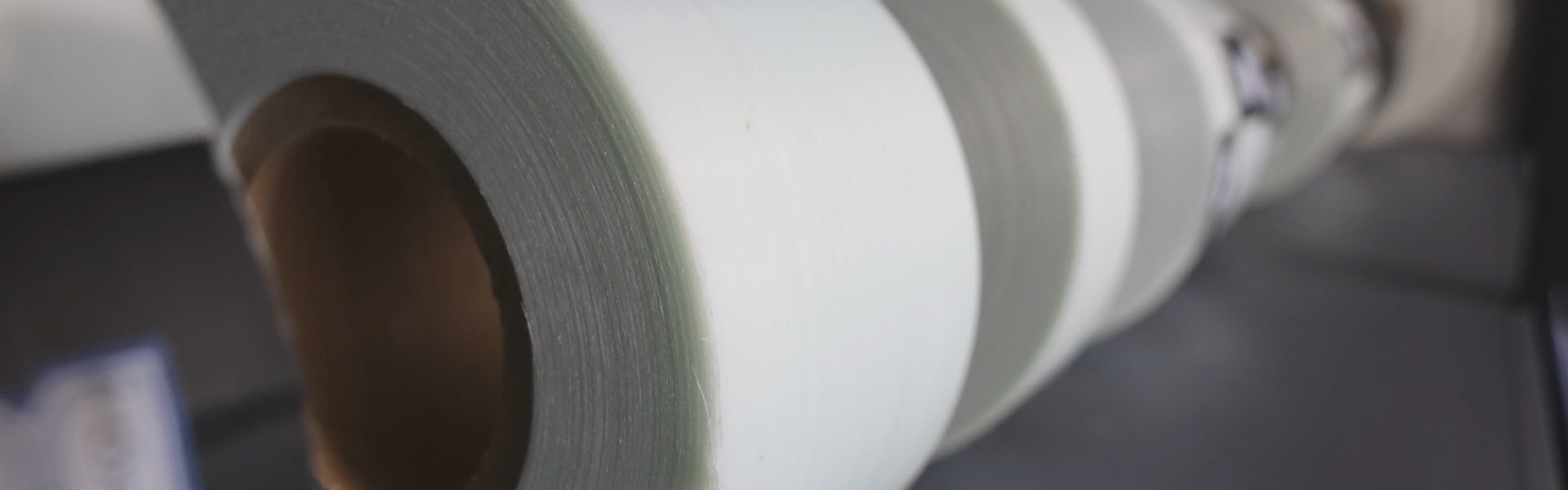
Research on the Application of CFRT Carbon Fiber Panels in Wind Turbine Blade Structural Optimization and Large Composite Structure Design
Release time:
2026-03-23
Author:
Source:
1. Introduction
Against the backdrop of the ongoing transformation of the global energy structure, wind power generation has gradually emerged as a pivotal component of the renewable energy system. As the installed capacity of wind power continues to expand, wind power generation equipment is evolving toward larger scale, higher efficiency, and greater reliability. Among these components, wind turbine blades—being the most critical aerodynamic structural parts of wind turbine units—directly determine the efficiency of wind energy conversion and the operational stability of the entire unit.
During operation, wind turbine blades are subjected to complex aerodynamic forces, centrifugal forces, and periodic fatigue loads. With the continuous increase in unit capacity, blade lengths have also grown steadily; currently, the length of blades for large offshore wind turbine units exceeds 100 meters. Such enormous structural dimensions impose extremely high demands on material performance: on one hand, materials must possess high strength and stiffness to ensure blades maintain a stable shape in strong wind environments; on the other hand, they must be as lightweight as possible to reduce rotor inertia and enhance power generation efficiency.
Traditional wind turbine blade structures typically adopt glass fiber-reinforced composite materials. While these materials are cost-effective, their limitations in stiffness and weight have become increasingly prominent as blade sizes increase. To further improve blade structural performance, carbon fiber composite materials have begun to be applied in large-scale wind turbine blade structures. Among them, Continuous Fiber-Reinforced Thermoplastic (CFRT) carbon fiber panels, with their excellent mechanical properties, processability, and superior fatigue performance, have gradually become a key material choice for the structural design of the next generation of wind turbine blades.
CFRT materials not only significantly enhance blade structural stiffness but also enable weight optimization through rational structural design, while maintaining stable performance under long-term cyclic load environments. With the continuous advancement of composite manufacturing technologies, the application prospects of CFRT carbon fiber panels in large-scale wind turbine blade structures are becoming increasingly broad.
2. Structural Force Characteristics and Material Requirements of Wind Turbine Blades
Wind turbine blades operate in a complex force environment. During rotation, they are acted upon by aerodynamic forces, generating lift and drag. These aerodynamic forces not only drive the rotor to rotate but also induce bending and torsional loads within the blade structure. Simultaneously, the blade’s own mass generates enormous centrifugal force during high-speed rotation, subjecting the blade root to continuous tensile loads.
In actual operating environments, wind speed and direction change constantly, exposing the blade structure to periodic loads. This long-term cyclic loading leads to material fatigue damage, making excellent fatigue performance a crucial requirement for blade materials.
As blade sizes increase, structural weight becomes a critical issue. Increased blade weight not only elevates the load on tower and main shaft structures but also increases energy consumption during unit startup and braking. Therefore, minimizing blade weight while ensuring structural strength is a core objective in wind turbine blade design.
CFRT carbon fiber panels offer distinct advantages in this application context. Carbon fiber materials exhibit extremely high specific strength and specific stiffness, allowing blade structures to reduce overall weight while maintaining high stiffness. Additionally, the thermoplastic resin matrix provides good toughness and impact resistance, enabling the material to retain stable structural performance under complex load conditions.
3. Material Structure and Performance Advantages of CFRT Carbon Fiber Panels
CFRT carbon fiber panels are composed of continuous carbon fiber reinforcements and a thermoplastic resin matrix. Continuous carbon fibers form the primary load-bearing framework within the material, endowing it with extremely high tensile strength and elastic modulus along the fiber direction. Compared with traditional glass fiber materials, carbon fiber materials provide higher structural stiffness, thereby reducing blade deformation in strong wind environments.
The thermoplastic resin matrix not only secures the fiber materials within the structure but also provides a certain degree of energy absorption capacity when the material is subjected to forces. Thermoplastic resins possess high fracture toughness and can absorb energy through plastic deformation when impacted, thereby preventing brittle structural failure.
Another key feature of CFRT materials is their processability. Due to the plasticity of thermoplastic resins when heated, the materials can be processed via hot pressing, thermoforming, and other techniques. This processing method not only boasts high production efficiency but also enables the manufacturing of complex structural shapes, making CFRT materials highly suitable for large-scale composite structural components.
In wind turbine blade manufacturing, material performance and manufacturing efficiency are equally important. The rapid forming capability of CFRT materials allows them to meet the demands of large-scale industrial production, providing vital technical support for the manufacturing of future large-scale wind power equipment.
4. Lightweight Design of Wind Turbine Blade Structures
As wind turbine unit capacity increases, blade lengths continue to grow. While longer blades enhance wind energy capture capacity, they also lead to a rapid increase in structural weight. To maintain blade structural stability and reduce overall unit load, lightweight design must be achieved through structural optimization.
CFRT carbon fiber panels play a pivotal role in blade lightweight design. Owing to the extremely high specific stiffness of carbon fiber materials, the thickness of CFRT structures required to meet the same structural stiffness requirements is significantly lower than that of traditional glass fiber structures. This material performance advantage enables blade structures to achieve substantial weight reduction while maintaining high strength.
In blade structural design, CFRT materials are typically applied to the blade main beam— the most critical load-bearing structure in the blade, which bears the majority of bending loads. By using carbon fiber composite materials in the main beam area, structural stiffness is significantly improved and deformation is reduced.
Furthermore, optimizing fiber layup directions allows the material to achieve higher strength in primary force-bearing directions. For instance, arranging 0° carbon fiber layers along the blade length enhances bending resistance, while arranging fiber layers at ±45° improves structural shear performance. This multi-directional layup design achieves an optimal balance between structural performance and material utilization efficiency.
5. Fatigue Life and Reliability Design of Wind Turbine Blades
Wind turbine blades endure hundreds of millions of cyclic loads throughout their operational lifespan, making material fatigue performance directly related to equipment service life. Traditional glass fiber composite materials are prone to interlayer delamination and microcracks under long-term cyclic loading, which impairs structural strength.
CFRT carbon fiber panels offer significant advantages in fatigue performance. Carbon fiber itself possesses high fatigue strength and maintains stable structural performance under cyclic load environments. Meanwhile, the continuous fiber structure effectively disperses stress concentrations, reducing the probability of crack initiation.
The thermoplastic resin matrix also exhibits high fracture toughness. When microcracks form within the material, the matrix absorbs energy through plastic deformation, slowing down crack propagation. This material characteristic enables CFRT structures to demonstrate higher reliability under long-term cyclic load conditions.
By rationally designing fiber layup structures and material thicknesses, the fatigue life of blade structures can be further extended, ensuring wind power equipment maintains stable performance during long-term operation.
6. Manufacturing Technology of Large-Scale Composite Structures
The enormous size of wind turbine blades places extremely high demands on manufacturing technology. Traditional thermosetting composite manufacturing processes typically require long curing times, resulting in extended production cycles and difficulty in achieving automated production.
CFRT carbon fiber panels adopt a thermoplastic resin system, enabling rapid processing via hot pressing molding technology. Thermoplastic materials soften and form when heated, and cure quickly upon cooling, thereby significantly shortening production cycles.
In the manufacturing of large-scale composite structures, the combination of automated tape laying and hot pressing molding technologies enables high-efficiency production. Carbon fiber tapes are laid in the designed direction using automated equipment, followed by integral hot pressing molding to form complete structural components.
This automated manufacturing method not only improves production efficiency but also ensures fiber layup precision, thereby enhancing structural quality consistency. For the manufacturing of large-scale wind turbine blades, this technology holds great significance.
7. Environmental Adaptability and Long-Term Operational Stability
Wind power equipment is typically installed offshore or in high-altitude areas, exposing it to complex environmental conditions for extended periods. For example, offshore wind turbine units must withstand salt spray corrosion, strong wind impacts, and temperature fluctuations, among other environmental factors.
CFRT carbon fiber panels exhibit excellent adaptability under such conditions. Carbon fiber itself is corrosion-resistant, and the thermoplastic resin matrix possesses good chemical resistance, allowing the material to maintain stable performance in salt spray environments.
Additionally, CFRT materials have a low coefficient of thermal expansion, resulting in minimal dimensional changes during temperature fluctuations. This characteristic is particularly critical for large-scale blade structures, as temperature-induced deformation can compromise blade aerodynamic performance.
Through the rational design of material systems and structural layouts, wind turbine blades can maintain stable performance in long-term operating environments, thereby improving the overall reliability of wind power equipment.
8. Technology Development Trends
With the continuous advancement of composite material technology, the application of CFRT carbon fiber panels in the wind power sector will continue to expand. Future research directions will primarily focus on the development of high-modulus carbon fibers, the study of advanced thermoplastic resin systems, and the enhancement of automated manufacturing technologies.
In terms of materials, the development of higher-strength carbon fibers will further improve blade structural stiffness, supporting the design of larger-scale wind power equipment. In manufacturing, automated layup technologies and robotic manufacturing systems will further boost production efficiency.
Furthermore, digital design technology will become an important development direction. Through structural simulation and multi-physics field analysis, material distribution and structural shapes can be optimized during the design phase, enabling the development of higher-performance wind turbine blade structures.
As these technologies mature, CFRT carbon fiber panels will play an increasingly important role in the manufacturing of large-scale wind power equipment.
9. Conclusion
As a high-performance composite material, CFRT carbon fiber panels demonstrate significant advantages in wind turbine blade structural design. Their high specific strength, high specific stiffness, and excellent fatigue performance enable them to provide stable and reliable mechanical properties in large-scale wind turbine blade structures.
Through the integration of rational structural design and advanced manufacturing technologies, CFRT materials not only achieve blade lightweight but also improve structural stiffness and fatigue life, thereby enhancing the overall efficiency and reliability of wind power equipment.
With the continuous progress of material technology and automated manufacturing technologies, CFRT carbon fiber panels will play an increasingly vital role in the manufacturing of future large-scale wind power equipment, providing important technical support for the development of the renewable energy industry.
Key words:
Recommended News