
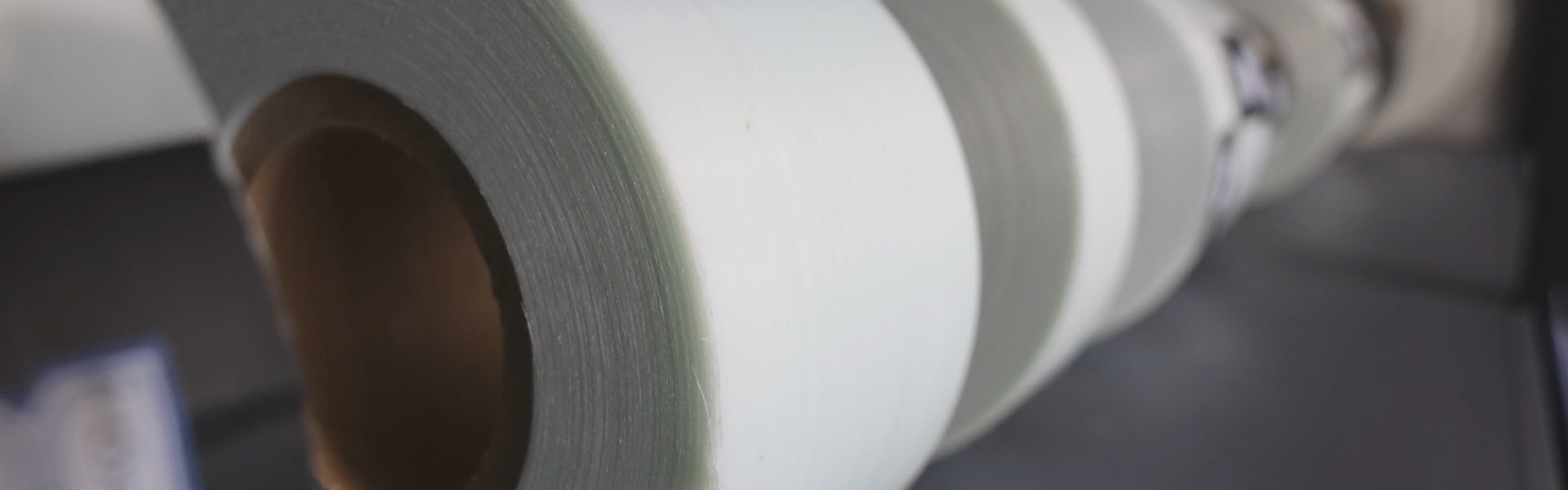
Innovative Applications of CFRT Carbon Fiber Panels in Future High-Performance Transportation Equipment
Release time:
2026-01-07
Author:
Source:
1. Introduction
With the development of transportation equipment towards lightweight, high-performance, and intelligent directions, materials have become an important foundation for improving the overall performance and economic efficiency of equipment. New energy vehicles, rail transit, high-speed trains, aerospace, and marine transportation equipment are all facing challenges in structural lightweighting, energy efficiency improvement, and full-life-cycle management. Traditional metal materials such as steel and aluminum alloy have advantages in strength and processing maturity, but their high density and processing limitations make it difficult to meet the lightweight requirements of complex structures. Although thermosetting composites have high specific strength, their long molding cycle, difficult maintenance, and poor recyclability limit their potential in large-scale industrial applications.
Continuous Fiber-Reinforced Thermoplastic (CFRT) carbon fiber panels have emerged as the times require. By combining continuous carbon fiber reinforcement with a thermoplastic resin matrix, CFRT integrates high specific strength, high specific stiffness, toughness, and thermoplastic processing, repair, and recycling capabilities. It achieves lightweight design, system-level optimization, and full-life-cycle sustainable development. CFRT not only optimizes the performance of individual structural parts, but also provides core support for whole-machine system optimization, industrialized production, and full-life-cycle value improvement, laying an advanced material foundation for future intelligent transportation equipment.
2. CFRT Material System and Technical Characteristics
The core of CFRT carbon fiber panels lies in the synergistic effect between continuous fibers and the thermoplastic resin matrix. Continuous carbon fibers provide high strength and high stiffness, enabling the material to have excellent load-bearing capacity in the main stress direction; thermoplastic resins provide toughness, impact absorption capacity, and a certain degree of deformation adaptability, ensuring the material maintains stable performance under complex loads and dynamic impact environments. Through the design of fiber direction, laminate thickness, and local reinforcement, performance optimization can be achieved for different stress areas, balancing lightweight design and structural reliability.
Compared with traditional steel and aluminum alloy, CFRT has obvious advantages in specific strength and specific stiffness. Under the same load-bearing conditions, the structural weight is significantly reduced, which reduces the load on the power system and lowers energy consumption. In new energy vehicles, lightweight bodies improve cruising range and handling performance; in the rail transit field, lightweight car bodies reduce wheel-rail loads, improve transportation efficiency, and extend track service life; in the aerospace field, fuselage weight reduction increases load efficiency and reduces fuel consumption; in marine transportation equipment, lightweight structures improve navigation speed and load efficiency while reducing power consumption.
CFRT also has excellent fatigue performance. Continuous fibers disperse stress concentration, reduce the risk of fatigue crack initiation, and ensure structural stability under long-cycle, multi-cyclic loads. This is particularly important for intelligent transportation equipment, as the equipment needs to withstand complex loads and maintain reliability during long-term operation. The thermoplastic matrix also enables local repair or material reprocessing through heating, extending the full-life-cycle use value of the structure.
3. Application Cases in Intelligent Transportation Equipment
3.1 New Energy Vehicles
In new energy vehicles, CFRT carbon fiber panels are applied to key components such as body frames, chassis structures, battery compartments, and anti-collision beams. Through the optimization of fiber direction, layer thickness, and local reinforcement, the whole vehicle structure achieves lightweight design while maintaining high strength and high stiffness. Lightweight bodies not only improve battery cruising efficiency, but also reduce the load on the power system, enhancing the overall dynamic response and handling performance of the vehicle.
The thermoplastic properties of CFRT enable modular design and maintenance of the vehicle body. In the event of collision or local damage, local heating repair or replacement of modular components can be carried out, reducing the risk of vehicle scrapping and improving service life and economic efficiency. Modular design can integrate load-bearing, collision energy absorption, and vibration suppression functions into a single structural part, reducing the number of components and improving assembly efficiency and structural consistency.
3.2 Rail Transit
Rail transit equipment requires high strength, fatigue resistance, and high stability. The application of CFRT in the body structures of high-speed trains, light rail, and intercity railways enables one-time molding of large-size components, reducing the number of welds and connectors, and lowering the risk of fatigue cracks. Lightweight car bodies reduce wheel-rail loads, improve transportation efficiency, reduce energy consumption, and extend vehicle service life.
The continuous fiber structure of CFRT can optimize the vehicle body's vibration response and noise control through fiber layup design, improving passenger comfort and driving stability. In the maintenance phase, the thermoplastic repair characteristics allow rapid repair of local damage, reducing train downtime and improving operational reliability.
3.3 Aerospace
In aerospace equipment, CFRT carbon fiber panels are used in fuselage skins, tail wings, cabin doors, and internal frames. Through continuous fiber laying and thermoplastic molding, integrated production of complex curved surfaces and special-shaped structures is realized. Compared with thermosetting composites, CFRT has higher toughness, shorter molding cycles, and lower maintenance costs.
CFRT exhibits excellent durability during the long-cycle operation of aerospace equipment. It maintains stable performance under multi-axial loads, reduces the risk of fatigue cracks, and ensures structural safety and reliability. The thermoplastic repairability allows rapid functional recovery of local damage through heating or module replacement, reducing overall maintenance costs and extending equipment service life.
3.4 Marine Transportation Equipment
In ships and new energy transportation equipment, CFRT is applied to hulls, decks, and internal structural components. Its corrosion resistance, high fatigue life, and thermoplastic repair capabilities ensure long-term stable operation of ships in complex marine environments. Lightweight structures improve navigation speed and load efficiency, reduce the load on the power system, and enhance comprehensive performance.
The integral molding and modular characteristics of CFRT enable high integration of load-bearing and functional properties in ship structures. For example, decks and cabins can be thermally pressed in one step, while taking into account load-bearing, anti-collision, and anti-corrosion functions, improving structural consistency and safety, and reducing maintenance costs.
4. Industrialized Production and Intelligent Manufacturing
The thermoplastic properties of CFRT carbon fiber panels provide technical support for industrialized production. Through heating, pressing, automatic layering, and multi-axis hot pressing molding, large-size, complex curved surface, and special-shaped structural parts can be produced. Automated production reduces manual intervention and improves part dimensional accuracy and structural consistency. Combined with robotic layup, numerical control hot pressing, and automated inspection technologies, intelligent transportation equipment production lines achieve high-efficiency, high-quality, and low-cost mass production.
The recyclability of CFRT plays an important role in green manufacturing. Decommissioned or waste materials can be reprocessed through heating and reintroduced into the production process, realizing closed-loop utilization, reducing material consumption, and lowering environmental load. This not only conforms to the green manufacturing strategy, but also provides a guarantee for full-life-cycle management.
5. System-Level Optimization and Full-Life-Cycle Management
CFRT carbon fiber panels show outstanding performance in system-level optimization and full-life-cycle value improvement. Lightweight design reduces energy consumption, alleviates the load on the power system, and improves the cruising ability of the whole machine. Through the optimization of fiber direction, laminate thickness, and local reinforcement, CFRT achieves the optimal balance between structural safety and material utilization rate.
In new energy vehicles, lightweight bodies improve cruising efficiency and power performance; in rail transit, lightweight car bodies reduce energy consumption and extend track service life; in aerospace, fuselage lightweighting reduces fuel consumption and improves load efficiency; in marine transportation equipment, lightweight structures improve navigation speed and load efficiency while reducing fuel consumption and maintenance costs. The comprehensive benefits of CFRT throughout the full life cycle make it a core material for improving the economy, performance, and sustainability of intelligent transportation equipment.
6. Application Prospects and Technological Innovation
With the reduction of CFRT carbon fiber panel costs, the maturity of manufacturing processes, and the improvement of digital design capabilities, its application prospects are broad. Expanding from non-load-bearing components to load-bearing structures and key structural parts, CFRT will promote the development of intelligent transportation equipment towards high-performance, green, and intelligent directions.
In the future, digital design and simulation technologies will further release the design potential of CFRT, realizing precise matching of fiber layup, laminate thickness, and local reinforcement. Combined with industrialized production and full-life-cycle management, CFRT will become an important support for material innovation and system optimization of intelligent transportation equipment, providing core power for industry upgrading and green development.
7. Conclusion
Through continuous fiber reinforcement, thermoplastic molding, high toughness, and recyclability, CFRT carbon fiber panels achieve lightweight design, structural optimization, durability improvement, and full-life-cycle value maximization of intelligent transportation equipment. Combined with industrialized production, intelligent manufacturing, and digital design, CFRT meets the mass production requirements of large-size complex structural parts, while reducing material costs and environmental load. As a core carrier of material innovation and system optimization, CFRT will play a key role in the design, manufacturing, and full-life-cycle management of future intelligent transportation equipment, promoting the sustainable development of the industry towards green, efficient, and intelligent directions.
Key words:
Recommended News


Factory address:
North of Chuangye Road, Feicheng Hi-Tech Zone, Tai'an City, Shandong Province, China