
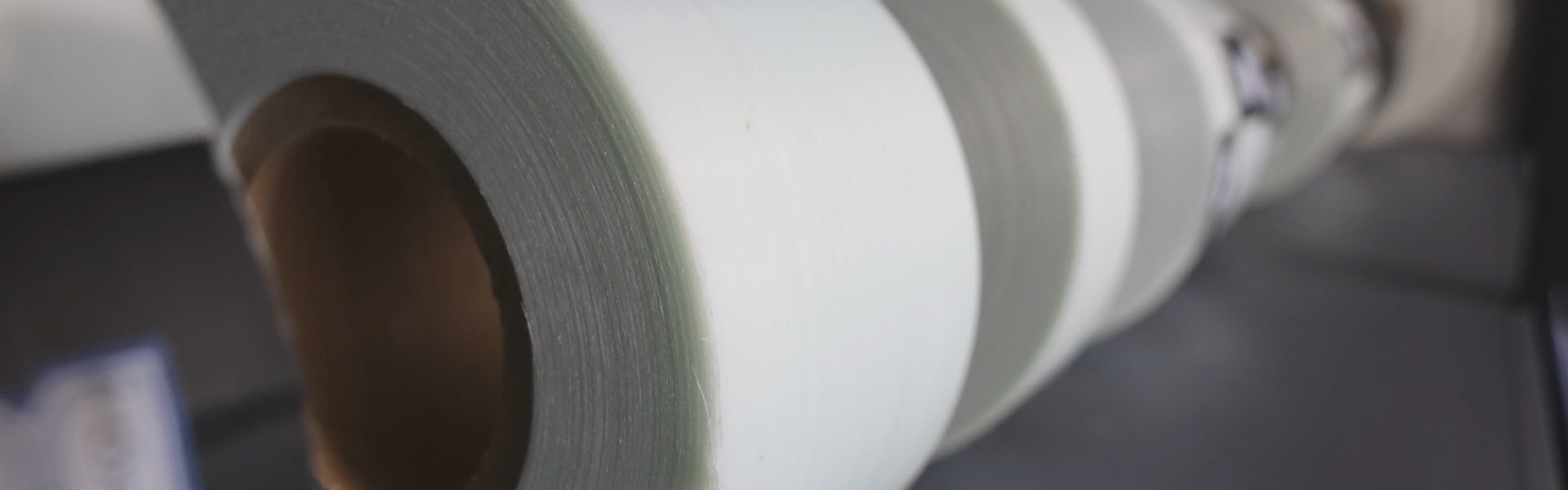
CFRT Carbon Fiber Panels in the Sustainable Development and Green Manufacturing Applications of Intelligent Transportation Equipment
Release time:
2026-01-07
Author:
Source:
1. Introduction
Against the backdrop of the rapid development of global transportation equipment and growing environmental pressures, sustainable development has become a core requirement for industrial progress. The lightweight design of transportation equipment not only improves energy efficiency and dynamic performance, but also directly impacts carbon emissions and environmental footprint. Meanwhile, traditional metal materials and thermosetting composites impose significant environmental burdens during processing, maintenance, and recycling stages.
Continuous Fiber-Reinforced Thermoplastic (CFRT) carbon fiber panels, which combine high-strength continuous carbon fibers with a thermoplastic resin matrix, not only meet the mechanical performance requirements of high-performance transportation equipment, but also demonstrate unique advantages in green manufacturing, circular utilization, and full-life-cycle management. CFRT provides a new material solution for the sustainable development of transportation equipment, enabling the simultaneous achievement of lightweight and environmental protection goals, and emerging as a crucial pillar for the advancement of future intelligent transportation equipment.
2. CFRT Material System and Green Characteristics
CFRT carbon fiber panels are composed of continuous carbon fibers and a thermoplastic resin matrix. Continuous carbon fibers provide high strength and stiffness for the structure, endowing the material with excellent load-bearing capacity along the stress direction; the thermoplastic resin imparts toughness and impact absorption capacity to the material, and allows repeated heating and molding at high temperatures. Compared with thermosetting composites, CFRT boasts higher processability and recyclability.
The green characteristics of CFRT are mainly reflected in three aspects:
- Recyclability: Waste materials can be reprocessed through heating to produce new structural components, reducing waste generation and raw material consumption.
- High-efficiency lightweighting: The continuous fiber structure enables the material to significantly reduce weight while maintaining strength, thereby cutting down transportation and operational energy consumption.
- Sustainable processing: Thermoplastic processes allow precisely controlled heating and pressing, lowering energy consumption and processing waste, and achieving a balance between industrialized production and environmental protection.
These characteristics give CFRT significant advantages in green manufacturing and full-life-cycle management, laying a solid material foundation for the low-carbon transformation of the intelligent transportation equipment industry.
3. Lightweight Design and Energy Efficiency Improvement
In transportation equipment, structural lightweighting directly affects energy efficiency and operational costs. Through continuous fiber design and optimized laminate thickness, CFRT carbon fiber panels achieve higher strength and stiffness per unit weight, enabling vehicle bodies, ship hulls, or aircraft fuselages to significantly reduce weight while maintaining safety performance.
3.1 New Energy Vehicles
In new energy vehicles, the adoption of CFRT materials for body and chassis structures can reduce the overall vehicle weight by 15% to 25%. This not only extends battery cruising range, but also enhances the response speed of the power system and handling stability. The lightweight body reduces the load on tires and suspension systems, while decreasing driving resistance, further improving energy utilization efficiency.
3.2 Rail Transit
The application of CFRT body structures in rail transit equipment reduces the overall weight of trains, improving operational efficiency and extending track service life. Lightweight car bodies lower wheel-rail contact pressure, reducing track wear and energy consumption, and achieving low-carbon operation goals. Structural optimization with continuous fibers also enhances the vehicle body's vibration damping and noise control performance, providing passengers with a more comfortable travel experience.
3.3 Aerospace and Marine Transportation
In aerospace equipment, CFRT fuselage skins and tail wings reduce structural weight, cutting fuel consumption and improving load efficiency. In ships and marine transportation equipment, lightweight decks and cabins lower power system loads, increasing navigation speed and cargo efficiency, while reducing fuel consumption. The advantages of CFRT in lightweighting and energy efficiency improvement directly provide material support for the green development of transportation equipment.
4. Industrialized Production and Circular Utilization
The thermoplastic properties of CFRT carbon fiber panels provide technical support for industrialized production and circular utilization. Through heating, pressing, and automated tape laying technologies, large-size, complex curved surface, and special-shaped structural components can be produced, realizing high-precision and low-waste industrial manufacturing.
Waste CFRT materials can be softened through heating and reprocessed into new structural components, achieving closed-loop utilization. This not only reduces reliance on raw materials, but also decreases waste emissions, which is of great significance for environmental protection and sustainable development. In addition, thermoplastic molding allows rapid manufacturing, local repair, and modular replacement, improving the full-life-cycle utilization efficiency of structural components.
5. System-Level Optimization and Full-Life-Cycle Management
CFRT carbon fiber panels exhibit remarkable advantages in whole-machine system-level optimization. Through precise design of fiber direction and laminate thickness, material performance can be matched to the stress characteristics of vehicles, trains, aircraft fuselages, or ship hulls, achieving an optimal combination of strength, stiffness, and toughness.
In full-life-cycle management, the repairable and recyclable characteristics of CFRT materials significantly reduce maintenance costs. Local damage can be repaired through heating or component replacement to restore structural functionality, extending service life; decommissioned materials can be reprocessed and reintroduced into the production system, achieving closed-loop recycling and reducing overall carbon emissions. The advantages of CFRT in system-level optimization and full-life-cycle management make it a core material for the green development strategy of intelligent transportation equipment.
6. Application Prospects and Green Development Trends
With the growing global demand for low-carbon and green transportation equipment, CFRT carbon fiber panels have broad application prospects. From new energy vehicles, rail transit, and high-speed trains to aerospace and marine transportation equipment, CFRT can achieve the goals of lightweighting, energy efficiency improvement, and sustainable development.
In the future, digital design and simulation technologies will enable precise optimization of fiber layup and laminate thickness, realizing the best match between structural performance and material utilization rate. Combined with automated production and circular utilization technologies, CFRT will become an important support for green manufacturing and system optimization of intelligent transportation equipment, providing core impetus for the industry's development towards low-carbon, high-efficiency, and intelligent directions.
7. Conclusion
Through continuous fiber reinforcement, thermoplastic molding, and recyclability, CFRT carbon fiber panels realize lightweighting, structural optimization, energy efficiency improvement, and full-life-cycle value maximization of intelligent transportation equipment. Combined with industrialized production, intelligent manufacturing, and digital design, CFRT not only meets the mass production requirements of large-size complex structural components, but also reduces material costs and environmental burdens. As a core material for green manufacturing and sustainable development, CFRT will play a key role in the design, production, and full-life-cycle management of future intelligent transportation equipment, driving the industry towards low-carbon, high-efficiency, and intelligent development.
Key words:
Recommended News


Factory address:
North of Chuangye Road, Feicheng Hi-Tech Zone, Tai'an City, Shandong Province, China