
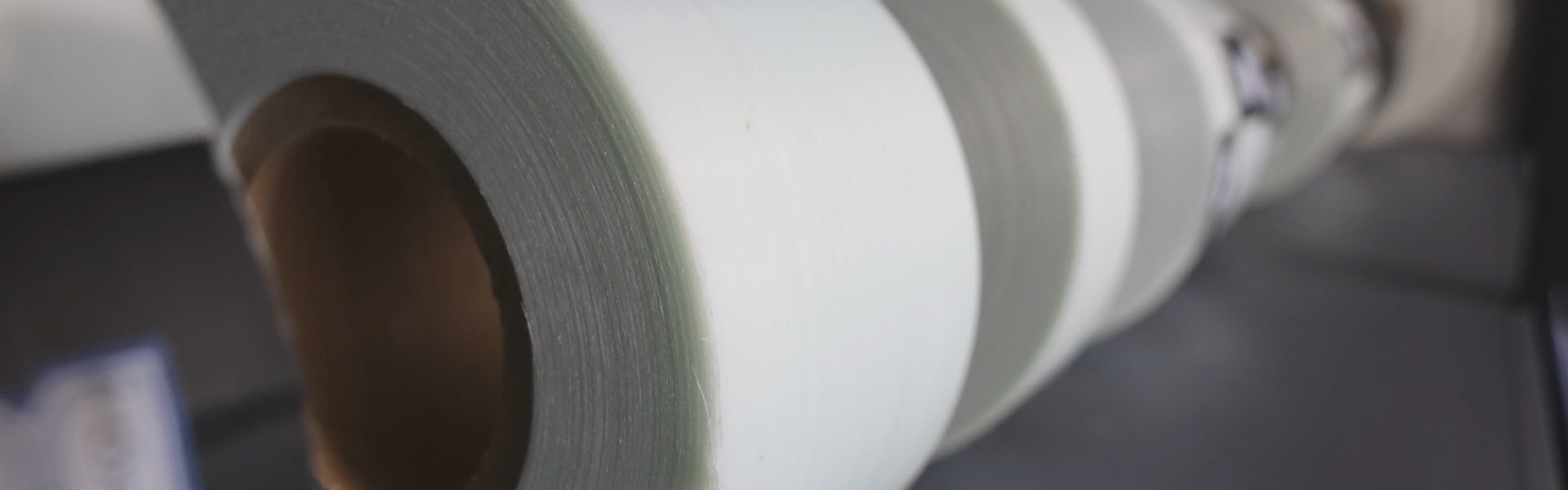
Integration and Application of CFRT Thermoplastic Laminates in Multi-Material Composites and Future Intelligent Equipment
Release time:
2026-01-14
Author:
Source:
Introduction: Multi-Material Composite Trends and the Strategic Position of CFRT
With the continuous upgrading of intelligence and lightweight requirements for high-end equipment, a single material can no longer meet the multi-functional and extreme working condition demands of complex systems. Multi-material composite technology has become a future trend—through the synergistic effect of different materials, it achieves structural optimization, performance improvement, and functional integration. Continuous Fiber-Reinforced Thermoplastic (CFRT) laminates, relying on their continuous fiber load-bearing capacity, thermoplastic resin toughness, customizable layup, and thermoplastic molding process, have become core components in multi-material composite systems, providing integrated solutions for intelligent equipment.
This paper elaborates on the unique advantages and engineering value of CFRT in multi-material composite systems from eight aspects: material integration strategy, structural performance optimization, intelligent function integration, extreme environment adaptability, manufacturing and assembly innovation, cross-industry applications, full-life-cycle and sustainable development, and future trends.
1. Material Integration Strategy and Composite System Design
In multi-material composite systems, CFRT is usually combined with metals, foam cores, other composite materials, or nano-reinforced materials. The core of the integration strategy is to leverage the advantages of each material while overcoming the limitations of a single material. For example, CFRT provides high strength and rigidity, metals are used for local load-bearing or connectors, foam cores contribute to weight reduction and impact energy absorption, and nano-reinforced materials are applied for interface modification and functional enhancement.
Through rational material zoning design, a balance between lightweight and high performance can be achieved. In the floor of new energy vehicles, the CFRT layer bears structural strength, the foam core absorbs energy, and metals are used for connections and interfaces, forming a multi-layer composite system that reduces weight while ensuring safety and rigidity. In rail transit vehicle bodies, multi-material composite design can simultaneously meet the requirements of high fatigue cycles and impact energy absorption, while facilitating the embedding of intelligent sensors.
2. Structural Performance Optimization and Lightweight Design
The greatest advantage of CFRT in multi-material composites is its ability to optimize structural performance through layup direction adjustment, thickness design, and local reinforcement. Different materials exhibit significant differences in stress behavior under varying working conditions. By virtue of the continuous fiber structure and plastic energy dissipation characteristics of thermoplastic resins, CFRT can alleviate interface stress concentration and enhance the overall toughness and fatigue life of the structure.
For instance, in the composite structure of the floor of autonomous vehicles, CFRT provides the main load-bearing path, metal parts are used for interface connections, and the foam core absorbs vibration and impact. Optimized CFRT layup angles and local thickness reinforcement ensure the strength of key load-bearing areas, while reducing material usage in non-load-bearing areas to achieve overall lightweighting. Lightweight design not only improves driving range, but also reduces the load on the power system and enhances energy efficiency.
In addition, the thermoplasticity of CFRT allows for local repair or layup adjustment in composite structures, enabling rapid iterative design. Through multi-scale optimization, CFRT works synergistically with other materials to achieve optimal overall performance under extreme working conditions.
3. Intelligent Function Integration and Sensorized Design
In multi-material composite systems, CFRT thermoplastic laminates can realize integration of structure and intelligent functions. The layup of continuous fibers and the plasticity of thermoplastic resins create conditions for embedding sensors, conductive circuits, and thermal management channels.
For example, in the composite structure of urban rail transit vehicle bodies, strain sensors and temperature monitoring systems can be embedded in the CFRT layer to achieve real-time data collection. Based on this data, the intelligent system can perform structural health monitoring, vibration control, and energy optimization. This functional integration not only improves structural reliability, but also provides a foundation for the intelligent control of vehicles.
In new energy equipment, CFRT composite structures can implement thermal management functions. For example, battery compartment walls can quickly dissipate local heat through CFRT heat conduction channels while maintaining structural rigidity. This integrated design eliminates the need for additional heat dissipation devices, reducing weight and manufacturing complexity, and improving overall system efficiency.
4. Extreme Environment Adaptability and Safety Enhancement
CFRT exhibits significant advantages in multi-material composite systems under extreme environments. Its thermoplastic resin and continuous fiber framework ensure stability in high-temperature, humid-heat, and corrosive environments, and the composite system design further enhances safety and durability through material synergy.
In high-speed rail transit vehicles, the car body composite structure needs to withstand frequent fatigue cycles and accidental impacts. CFRT thermoplastic plates absorb energy through plastic energy dissipation and progressive failure modes, and work synergistically with foam cores or metal interfaces to ensure that the structure does not fail instantaneously under accidents or extreme loads, thereby protecting passengers and equipment.
In marine and coastal engineering, multi-material composite structures combined with the corrosion resistance of CFRT can operate for a long time under salt spray, high humidity, and dynamic loads, reducing maintenance frequency and life attenuation. This adaptability is unmatched by traditional metals or thermosetting composites.
5. Manufacturing Process and Assembly Innovation
In composite systems, CFRT thermoplastic laminates support thermoplastic continuous forming, integrated forming, and local repair. Continuous forming ensures layup accuracy and thickness consistency; integrated forming reduces connection points and stress concentration, improving structural reliability.
The local thermoplastic repair feature enables composite structures to restore performance through heating and pressing without overall replacement after damage. This manufacturing flexibility not only reduces maintenance costs, but also improves production efficiency.
In the production of intelligent equipment, the manufacturing of CFRT composite structures can be synchronized with automated tape laying, hot pressing, and sensor embedding, achieving high-precision and large-scale production. This process advantage provides a solid material foundation for future intelligent equipment.
6. Cross-Industry Application Examples
CFRT has a wide range of applications in multi-material composites, including intelligent transportation, new energy equipment, aerospace, and marine platforms:
- Intelligent transportation: Floors of autonomous vehicles and bulkheads of rail transit vehicles—lightweighting and functional integration significantly improve safety and comfort.
- New energy equipment: Battery compartment walls and power cabins of electric vehicles—integration of thermal management and structural load-bearing improves driving range and system efficiency.
- Aerospace: Wing frames, bulkheads, and skins—achieve high fatigue life and impact toughness, while accommodating complex curved surface forming and intelligent sensing.
- Marine platforms: Ship decks, bulkheads, and support components—corrosion resistance and lightweighting support intelligent monitoring and thermal management, achieving high reliability and long-term operation.
7. Full-Life-Cycle and Sustainable Development
CFRT multi-material composite systems have obvious advantages in full-life-cycle optimization. Material lightweighting reduces energy consumption; thermoplastic repair reduces maintenance costs; corrosion resistance and high fatigue life extend service cycles. Meanwhile, waste CFRT materials can be recycled and reprocessed, realizing green manufacturing and circular economy.
In new energy vehicles, rail transit, and high-end equipment, the economic and environmental benefits brought by full-life-cycle optimization are significant, making CFRT a strategic core material. Enterprises can not only reduce operating costs, but also meet environmental protection policies and social responsibility requirements.
8. Future Trends and Strategic Significance
In the future, CFRT will play an increasingly core role in multi-material composites and intelligent equipment:
- Intelligent composite systems: Structural self-sensing, self-diagnosis, and functional optimization will become trends, with CFRT serving as the key intelligent material framework.
- Integration of multi-functional and high-performance materials: Combining nano-reinforcement, functional fibers, and thermal management channels to improve impact toughness, fatigue life, and thermal performance, achieving reliable operation under extreme working conditions.
- Sustainable manufacturing and circular economy: Low-energy-consumption forming, local repair, and recyclability make CFRT irreplaceable in future green manufacturing and new energy equipment.
The CFRT multi-material composite system not only improves equipment performance, but also provides the industry with a material platform for system optimization and intelligent upgrading.
Conclusion
The application of CFRT thermoplastic laminates in multi-material composite systems achieves comprehensive upgrades in lightweighting, structural optimization, functional integration, extreme working condition adaptability, and full-life-cycle optimization. Through synergy with metals, foam, and nano-reinforced materials, CFRT has become the core material foundation for future intelligent transportation, new energy equipment, aerospace, and marine platforms, providing high-performance, sustainable, and intelligent solutions for high-end equipment systems.
Key words:
Recommended News


Factory address:
North of Chuangye Road, Feicheng Hi-Tech Zone, Tai'an City, Shandong Province, China