
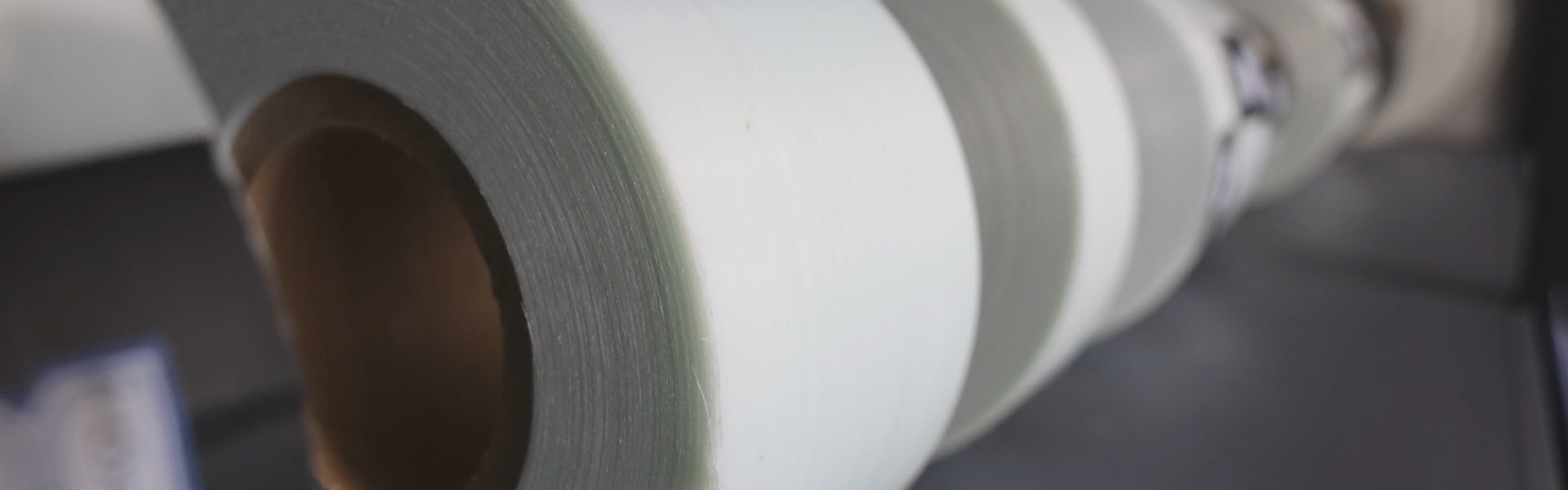
Application and Development Trends of CFRT Polyester Panels in Wind Power and Energy Equipment
Release time:
2026-01-07
Author:
Source:
1. Introduction: Demand for High-Performance Materials in Energy Equipment
With the rapid development of the global new energy industry, wind power generation, solar energy storage, and intelligent energy equipment have imposed increasingly high requirements on materials. Wind power equipment—such as wind turbine blades, tower support structures, and nacelle internal frames—requires materials to simultaneously possess high strength, high rigidity, fatigue resistance, impact resistance, and weather resistance. Blades bear wind loads, vibrations, and cyclic bending loads during operation, placing extremely stringent demands on the material’s fatigue resistance, toughness, and long-term reliability. Meanwhile, lightweight design for wind power equipment can reduce structural self-weight, improve energy conversion efficiency, and lower transportation and installation costs.
Traditional metal materials have high strength but suffer from high density, complex processing, and limited fatigue life; ordinary composite materials have obvious lightweight advantages but still fall short in long-term load-bearing and fatigue performance. Continuous Fiber-Reinforced Thermoplastic (CFRT) polyester panels leverage continuous fibers to provide high strength and high modulus, while the thermoplastic polyester matrix delivers toughness and impact absorption capacity. This makes CFRT polyester panels an ideal material choice for wind power and energy equipment, enabling lightweight design, high performance, and multi-functional integration.
2. Panel Structural Advantages and Lightweight Potential
CFRT polyester panels are composed of continuous fibers and a thermoplastic polyester matrix. Continuous fibers provide high modulus and strength, while the matrix endows the material with toughness and impact resistance. When subjected to cyclic wind loads and vibration loads in wind turbine blades, towers, and nacelle frames, the panels can maintain structural integrity. By optimizing fiber layup direction, number of layers, and local thickness distribution, strength can be enhanced in key stress-bearing areas, and weight can be reduced in non-load-bearing regions, achieving a balance between lightweight design and high performance.
In wind turbine blades, lightweight panels reduce blade self-weight, improving rotational efficiency and energy conversion rates. In wind turbine towers and nacelle support structures, the panels’ lightweight and high-strength properties enhance the convenience of transportation and installation, while ensuring long-term operational safety and stability. In solar energy storage and intelligent energy devices, lightweight materials reduce the self-weight of support structures, optimizing overall system efficiency.
3. Application of Thermoplastic Processing Technology in Energy Equipment
Thermoplastic processing technology is a core advantage of CFRT polyester panels, enabling them to meet the requirements of wind power and energy equipment for complex structures, high precision, and high strength. Through hot pressing, compression molding, vacuum-assisted molding, or composite molding processes, the panels can be rapidly formed into wind turbine blade internal frames, tower support beams, nacelle structural components, and energy storage device enclosures. This processing method reduces machining and welding procedures, improves the overall strength and dimensional accuracy of parts, and ensures fatigue resistance, impact resistance, and weather resistance.
For example, the internal framework of wind turbine blades needs to withstand cyclic bending and wind load impacts. CFRT polyester panels formed by hot pressing can realize an integrated high-strength frame structure, with local thickening at key stress-bearing parts to improve fatigue resistance and long-term reliability. In wind turbine towers and nacelles, the panels can be fabricated into lightweight, corrosion-resistant, and weather-resistant structural components, ensuring the long-term safe and stable operation of equipment.
4. Multi-Functional Integration and Durability
CFRT polyester panels can achieve multi-functional integration in wind power and energy equipment, including high strength, fatigue resistance, impact resistance, corrosion resistance, waterproofing, fire resistance, and thermal insulation. Wind turbine blades and towers operate under long-term wind loads and climatic conditions, so materials must have excellent weather resistance and long-term stability. Through optimizing fiber direction, layup structure, and local thickness design, CFRT polyester panels realize the unification of lightweight design, high strength, and multi-functional integration, providing comprehensive performance guarantees for energy equipment.
In wind turbine blades, the panels provide high strength, fatigue resistance, and impact resistance, while also possessing corrosion resistance and waterproof performance. In towers and nacelle support structures, CFRT polyester panels can form fatigue-resistant, weather-resistant, and lightweight high-performance frames, ensuring long-term safe operation. In energy storage devices and auxiliary energy equipment, the panels achieve lightweight design, impact resistance, and weather resistance, providing reliable support for the long-term use of equipment.
5. Typical Application Cases
In wind turbine blades, CFRT polyester panels are used for internal frames and stress-bearing beams, reducing the overall weight of the blade by approximately 12–18% while ensuring fatigue resistance, impact resistance, and weather resistance. Through hot pressing technology, an integrated framework design is realized, improving overall rigidity and assembly efficiency. In wind turbine towers and nacelles, the panels are applied to support beams and frame structures, achieving lightweight design, high strength, and corrosion resistance. In solar energy storage and intelligent energy devices, CFRT polyester panels provide lightweight, high-strength, and weather-resistant support, enabling long-term reliable operation and structural safety.
These cases demonstrate that CFRT polyester panels not only improve lightweight and strength performance in wind power and energy equipment, but also achieve multi-functional integration, laying a solid material foundation for the efficient, safe, and reliable operation of new energy equipment.
6. Environmental Protection and Circular Utilization
The thermoplastic properties of CFRT polyester panels give them excellent recycling and reuse potential. During the production and decommissioning of wind power equipment and new energy devices, waste materials or scrapped panels can be reheated and reprocessed for use in non-load-bearing structures or filling materials, realizing closed-loop material recycling. This not only reduces production costs, but also decreases waste emissions, conforming to the concepts of green manufacturing and sustainable development.
In the field of wind power and new energy equipment, the extensive use of CFRT polyester panels means enormous recycling potential. Through material recycling, resources are conserved, and a sustainable material solution is provided for the green development of the new energy equipment industry.
7. Digital Design and Intelligent Manufacturing
Modern wind power and new energy equipment have extremely high requirements for structural component precision, performance consistency, and customization. CFRT polyester panels combined with digital design and intelligent manufacturing technologies—through CAE simulation, digital twins, fiber layup optimization, and stress performance prediction—achieve a balance between lightweight design, high strength, multi-functional integration, and durability. In the production process, automated fiber placement, hot pressing and compression molding, and online quality inspection ensure stable panel performance, improving production efficiency and component consistency.
Digital design and intelligent manufacturing technologies enable CFRT polyester panels to quickly respond to the design requirements of different wind power and new energy equipment, achieving customization, high performance, and multi-functional integration, and providing a solid material guarantee for the long-term safe and reliable operation of equipment.
8. Industry Development Trends and Future Prospects
With the rapid development of the new energy industry, the demand for lightweight, high-strength, multi-functional, and environmentally friendly materials in wind power and energy equipment continues to grow. CFRT polyester panels, with their high strength, lightweight design, thermoplastic processing capabilities, multi-functional integration, and recycling characteristics, will be widely used in wind turbine blades, towers, nacelle frames, and energy storage device support structures.
In the future, through the research and development of new fiber materials, intelligent processing technologies, green recycling technologies, and customized design, CFRT polyester panels will achieve higher levels of lightweight design, strength, fatigue resistance, and service life in wind power and energy equipment. This will provide a solid material guarantee for lightweight, high-performance, and sustainable energy equipment, and drive the industry toward intelligent, green, and high-performance development.
Key words:
Recommended News


Factory address:
North of Chuangye Road, Feicheng Hi-Tech Zone, Tai'an City, Shandong Province, China